
S.1 — Next Generation Tractor-Trailer Connector: What Are the Latest Developments?
 For the past several meetings, Technology & Maintenance Council (TMC) Task Forces have been evaluating various proposals for the next generation tractor-trailer electrical connector, which will be critical for the development of future combination vehicle designs.
 The American Petroleum Institute (API) is working on an anticipated new diesel engine oil specification known as “PC-12,” which is expected to supplant present specifications CJ-4 and FA-4 once new emissions standards take hold in diesel-powered trucks in the future. What does this mean for your maintenance operation?
 In today’s economic climate, saving every penny is important in a trucking operation. Fleet managers know fuel and tires are the top two equipment-related expenses for a given commercial vehicle operation, and what fleet can afford to waste money in these areas?
 There’s been a lot of interest in Artificial Intelligence (AI) but do most people really know what it means? In most cases, AI refers to computer systems that can perform complex tasks normally done by human-reasoning, decision making, creating, etc.
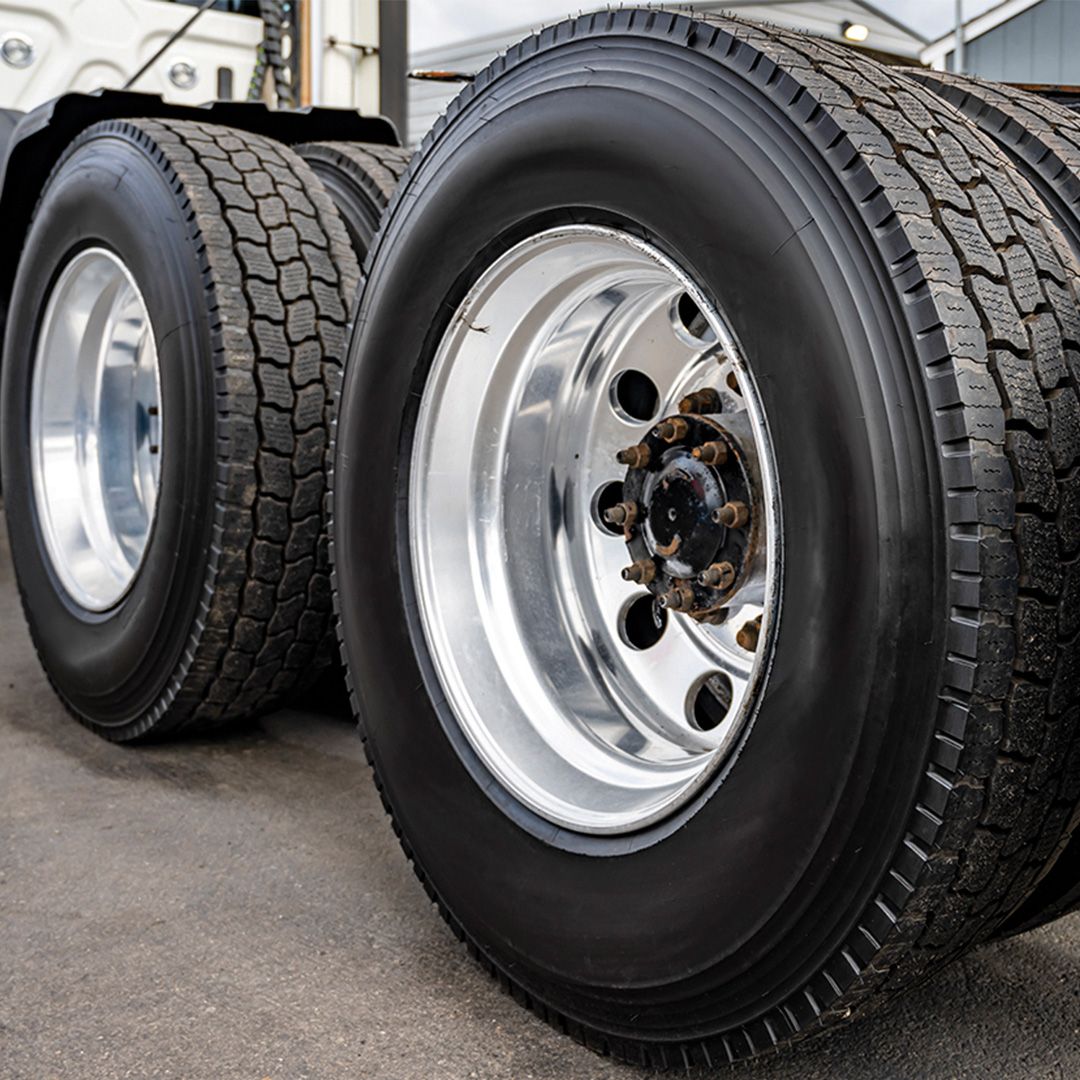 Tire and wheel technology has come a long way during the last 50 years, but it often is not viewed by fleet managers as being “high-tech.” The reality couldn’t be farther from the truth, especially now. There’s simply much more to tire and wheel technology today than just rubber, metal, and air.
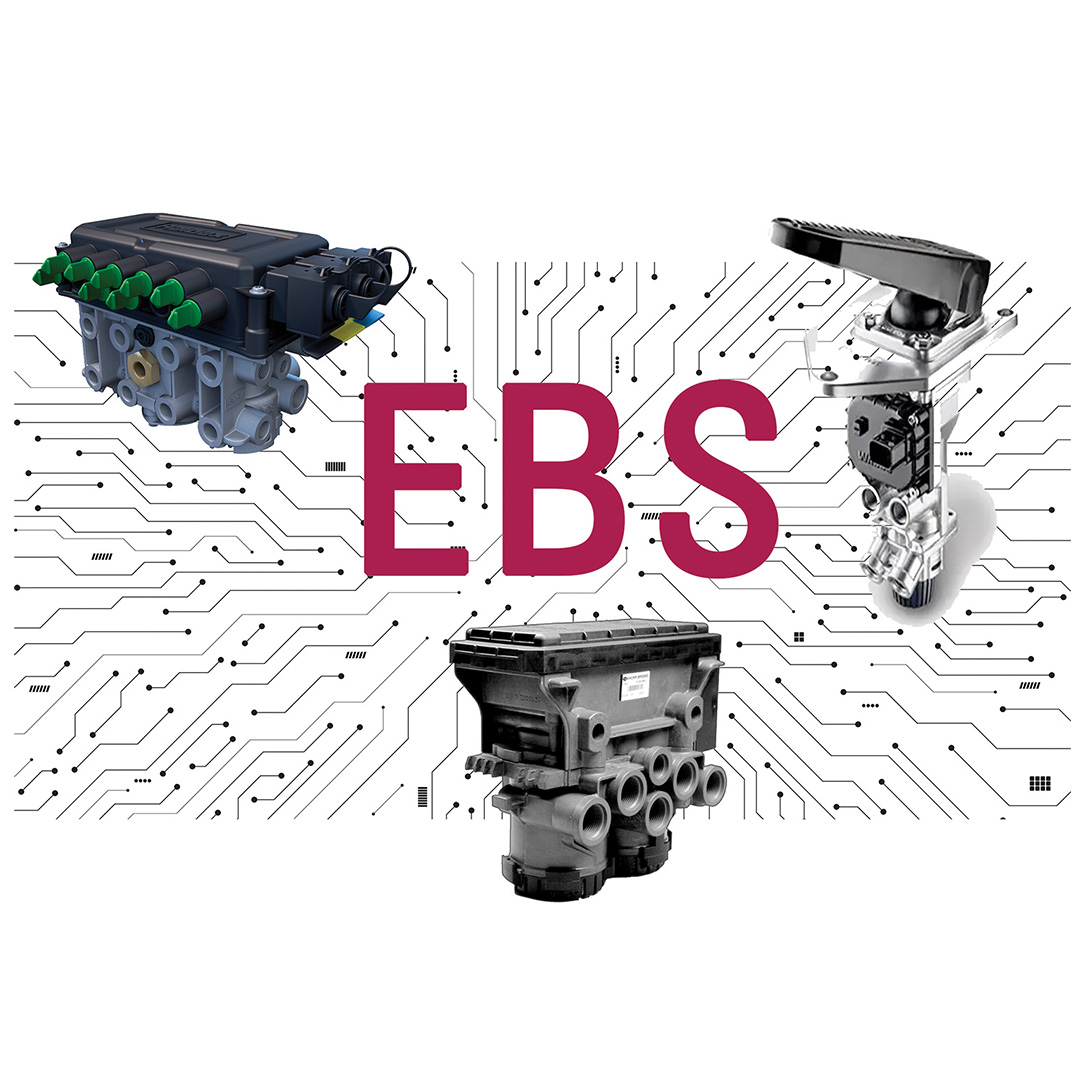 There have been many advances in braking system technology for heavy-duty commercial vehicles during the past three decades. Some of them are today commonplace, such as antilock braking systems (ABS), traction control/roll stability control, and automated emergency braking (AEB).
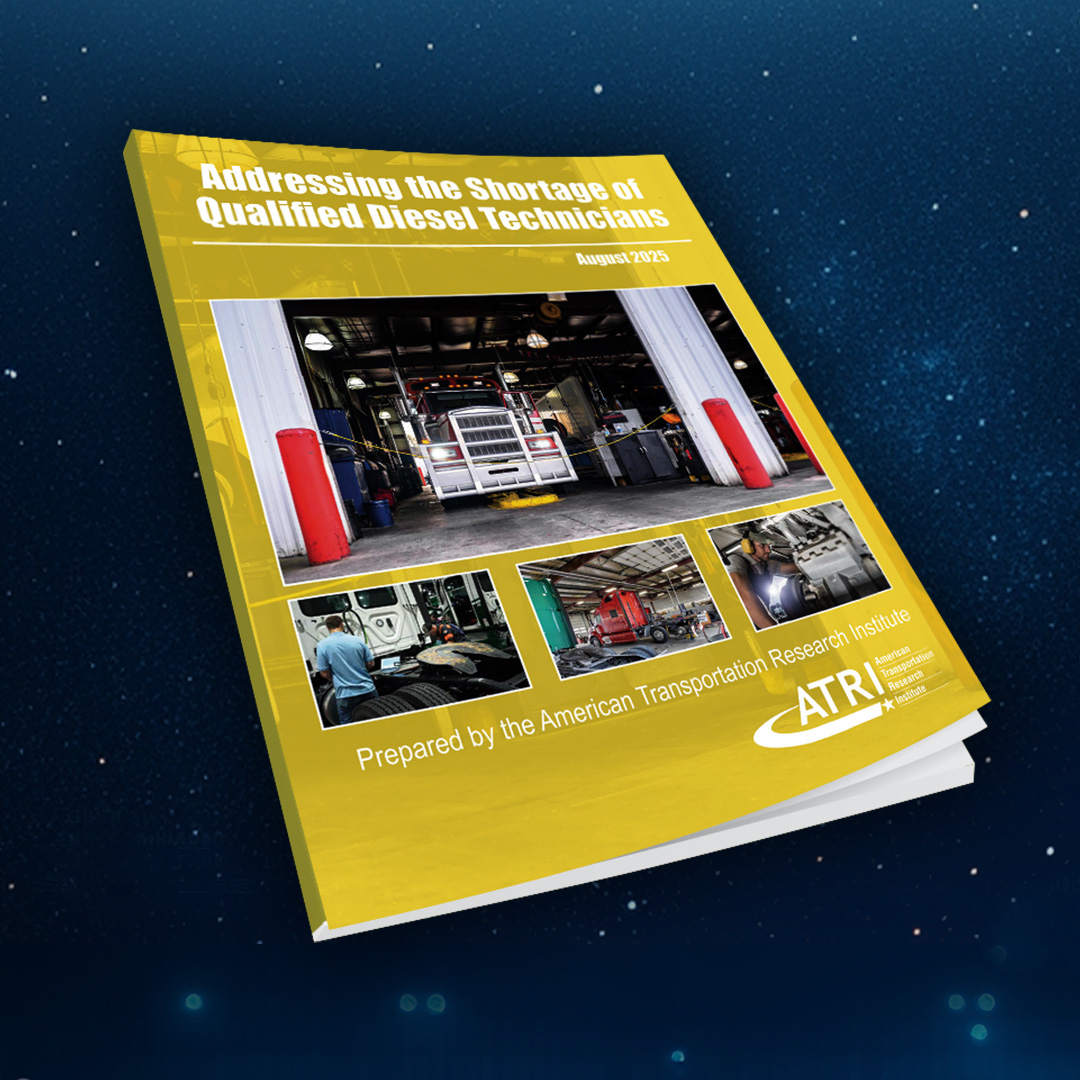 The trucking industry relies on diesel technicians to ensure the safe, reliable and efficient operation of its equipment. The trucking industry alone employed 57,300 diesel techs in 2024 – more than any other industry – according to the most recent Bureau of Labor Statistics (BLS) data.
 There are a myriad of advances now available to help drivers complement safe driving practices. While no commercial vehicle safety technology replaces a skilled, alert driver exercising safe driving techniques and proactive, comprehensive driver training, new safety features now available can augment driver performance without sacrificing driver control.